
Tuta absoluta

Tuta absoluta
Definition
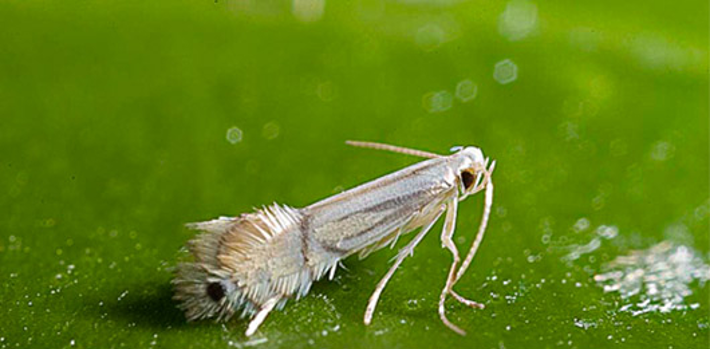
T. absoluta is considered the most fearsome pest of tomatoes and qualified as an “absolute disaster”, hence its name. The insect can cause losses of up to 80-100% on tomatoes. The larva is the harmful stage of the tomato leafminer. The first attacks are observed on the apical parts of the plant, namely the leaves and new shoots. This insect can also attack young transplanted plants and even seedlings in nurseries.
Development Lifecycle
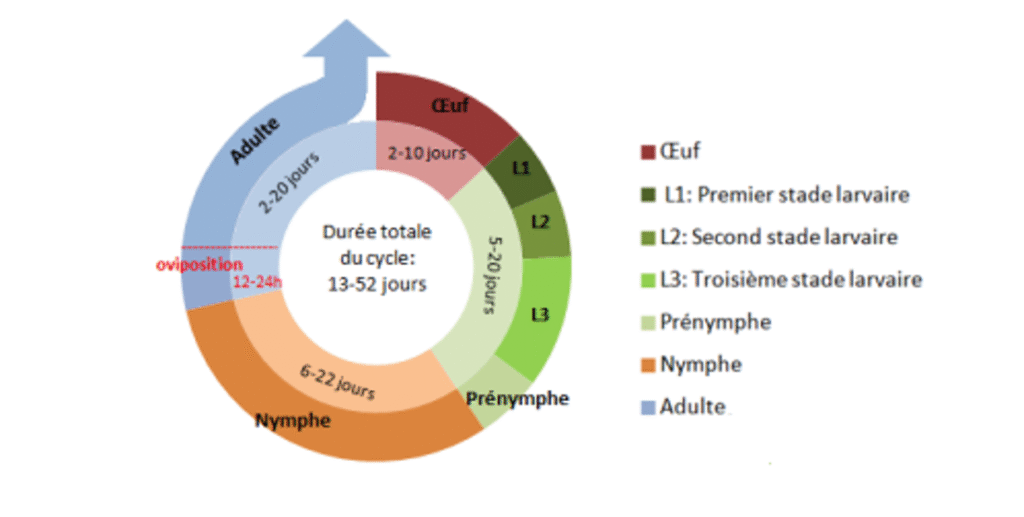
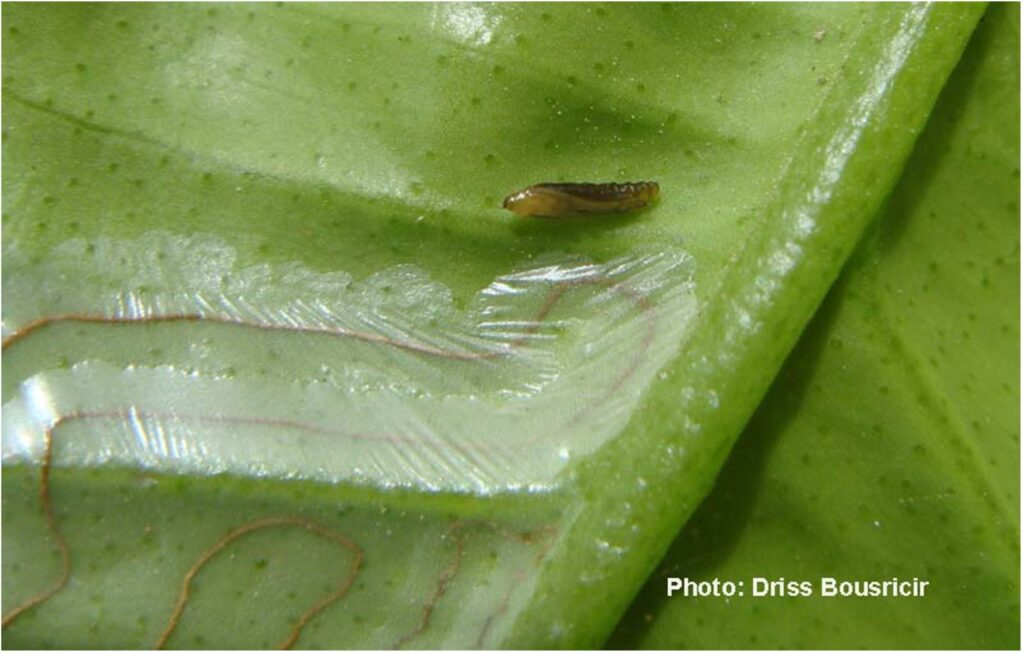
The biological cycle lasts from 76.3 days (at 14°C), 23.8 days (at 27.1°C). There can be up to 10 or 12 generations per year. The larvae penetrate the leaves, stems or fruit regardless of the stage of development of the plant. The caterpillars dig galleries in which they develop. Once larval development is complete, the caterpillars pupate in the galleries, on the surface of the host plants or in the soil
Symptoms
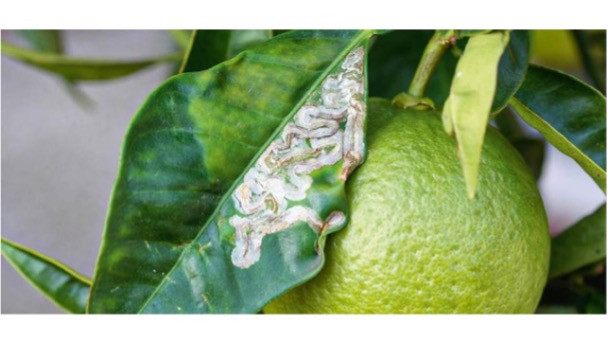
Appearance on the leaves of whitish galleries, each closing a caterpillar and its droppings.
The galleries become necrotic and brown over time.
The caterpillars attack both green and ripe fruits.
Necrotic on the calyx or exit holes on their surface.


