
Introduction
Alfalfa is a perennial forage plant that is very rich in protein, widely used in animal feed. It is also known for its agronomic benefits, such as improving soil structure and its ability to fix atmospheric nitrogen.
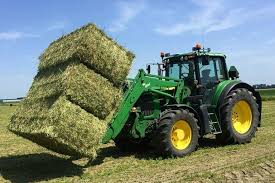
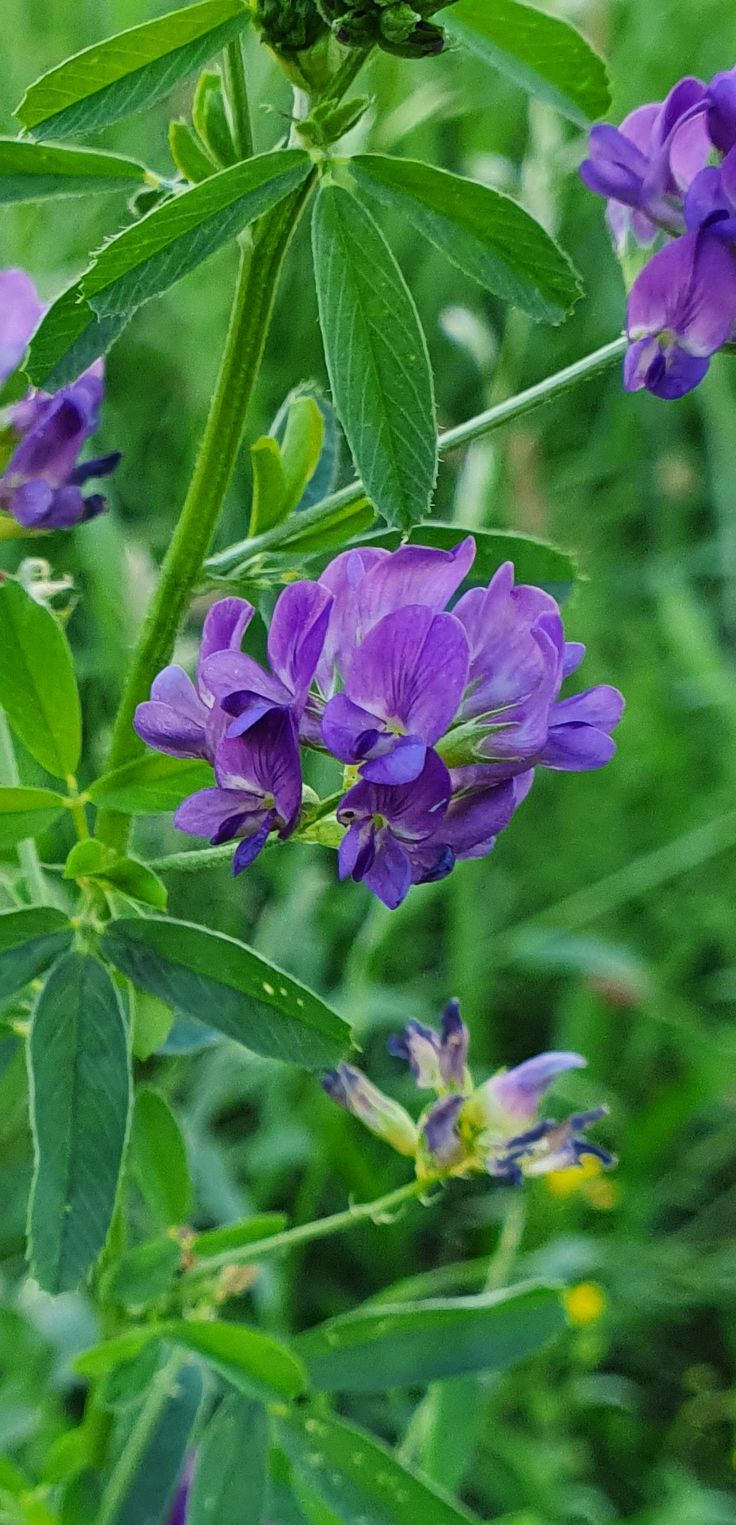
Benefits
- Rich in protein and fibre, ideal for ruminants.
- A perennial that can produce several years without reseeding.
- Atmospheric nitrogen fixation, reducing the need for nitrogen fertilizers.
- Improvement of soil structure and fertility.
Main varieties
- Galaxie : adapted to humid areas, good yield.
- Europe : resistant to cold and lodging.
- Aubigny : good behaviour in dry conditions.
Ideal growing conditions
Soil: deep, well-drained, slightly calcareous.
pH: between 6.5 and 8.
Climate: temperate to hot, fears stagnant humidity.
Exposure: full sun.
Crop Cycle
Sowing: March to May or August to September.
Shelf life: 3 to 5 years.
Number of cuts: 3 to 5 cuts/year depending on the climate.
Harvest: from the beginning of flowering for optimal nutritional value.
Maintenance techniques
Rolling after sowing for good soil-seed contact.
Selective weeding the first year.
Overseeding possible in subsequent years to maintain the stand.
Surveillance of foliar diseases and weevil attacks.
Common issues
- Diseases: antracnose, fusarium wilt, downy mildew.
- Pests: alfalfa weevil, aphids.
- Deficiency: boron, molybdenum.
Recommended Products
- Inoculation with rhizobium if virgin alfalfa soil.
- Specific fungicides if they have a major attack.
- Intake of trace elements in case of deficiency.
- Use of mechanical tools against weeds.
Anecdote
Alfalfa has been cultivated for more than 2000 years. The Romans called it "horse grass" because it improved the performance of war horses. Today, it is one of the best forage crops in the world.
FAQ
Thanks to its deep roots and its ability to fix nitrogen, it enriches and structures the soil in the long term.
From the beginning of flowering, usually 60 to 70 days after sowing, to preserve the nutritional value.
Yes, in a temperate climate with regular rainfall. However, irrigation improves the regularity of cuts.


