
Introduction
Pome fruit trees are mainly apple and pear trees. They are essential for temperate climate agriculture and have been cultivated since ancient times for the quality of their fruit and their good preservation.
Benefits
- Fruits rich in fiber, vitamins and antioxidants.
- Excellent post-harvest storage capacity.
- Regular production over many years.
- Adaptability to different types of temperate climates.
Main varieties
- Apple tree: Golden Delicious, Fuji, Gala, Granny Smith
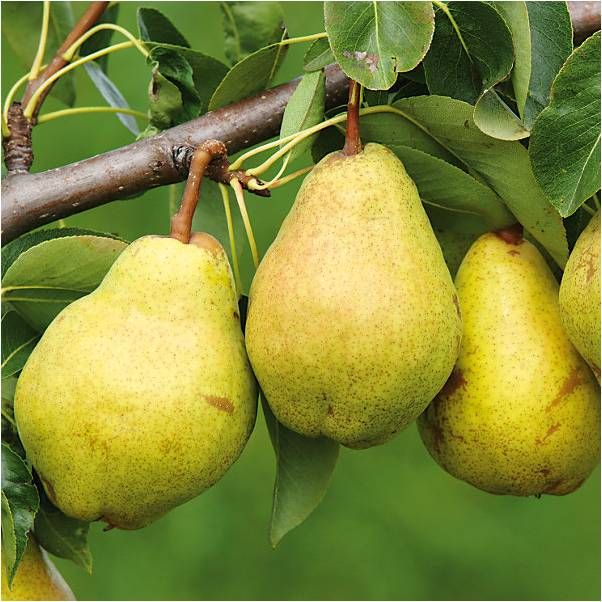
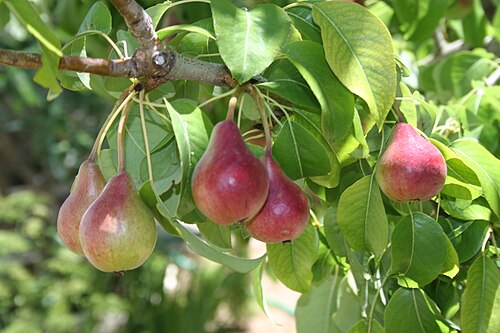
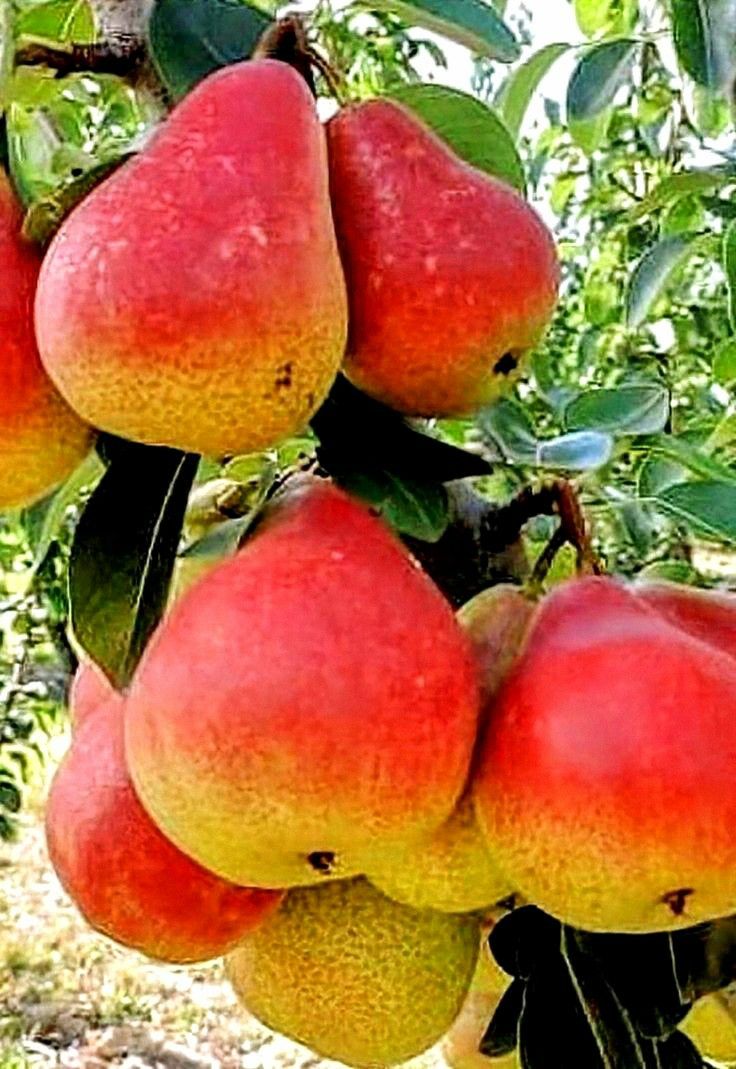
- Pear Tree: Williams, Conference, Deanery of the Comice
Ideal growing conditions
Soil: rich, cool, well-drained.
Exposure: sunny.
Irrigation: regular, especially in periods of drought.
Crop Cycle
Planting: autumn (ideally October-November).
Flowering: spring.
Harvest: late summer and autumn depending on the variety.
Maintenance techniques
Formation pruning and annual fruiting pruning.
Adding compost or well-rotted manure at the foot of trees in winter.
Regular monitoring for scab and codling moth.
Common issues
- Diseases: scab, powdery mildew, fire blight.
- Pests: codling moth, woolly aphids.
Recommended Products
- Sulphur-based treatment against scab.
- Use of pheromone traps to capture codling moth.
- Biological treatment with black soap against aphids.
- Super Colossi
Anecdote
The apple is one of the oldest fruits cultivated by man. Its wild ancestor, Malus sieversii, still grows today in the mountains of Kazakhstan.
FAQ
Pruning is done in winter, outside of the frost period, to aerate the tree and promote the production of quality fruit. Horizontal branches should be favoured and poorly oriented branches should be removed.


