
Introduction
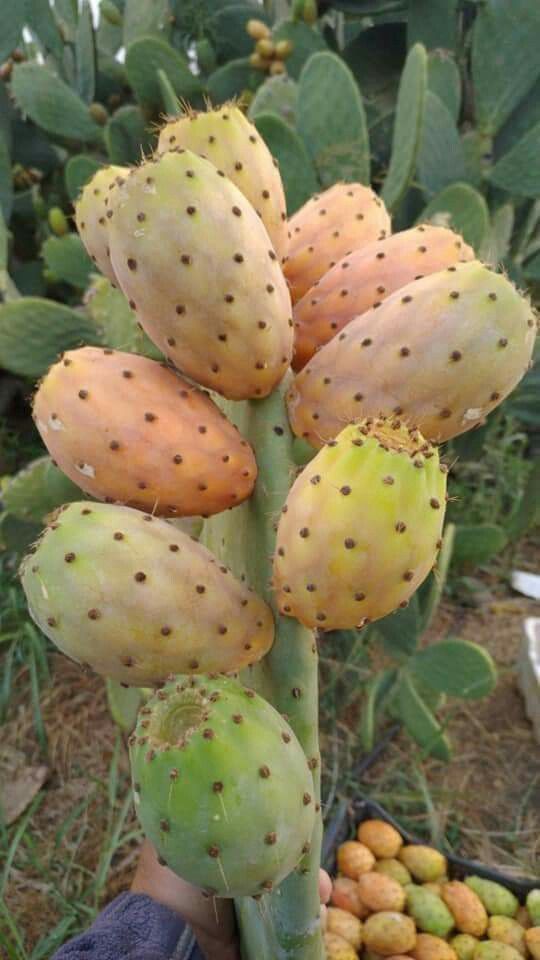
The prickly pear cactus (Opuntia ficus-indica) is an emblematic plant of arid and semi-arid regions. Appreciated for its great resilience in the face of extreme climatic conditions, it offers sweet and nutritious fruits as well as an essential contribution to the fight against desertification. Test

Benefits
- Excellent resistance to drought and poor soils.
- Fruits rich in vitamin C, fiber and antioxidants.
- Versatile use: food, cosmetics, traditional medicine.
- Important role in soil stabilization and erosion control.
Main varieties
- Opuntia ficus-indica : the most cultivated variety for its sweet and juicy fruits.
- Opuntia robusta : adapted to cooler areas, larger but less sweet fruits.


Ideal growing conditions
Soil: sandy, light, well-drained.
Exposure: full sun.
Irrigation: minimal, only in the event of prolonged drought in the first few years.
Crop Cycle
Planting: spring or autumn (except during periods of high heat).
Flowering: from May to June.
Harvest: from July to October depending on the region and variety.
Maintenance techniques
Occasional pruning to remove dead or diseased parts.
Light soil maintenance (manual weeding if necessary).
Mulch around the base to retain moisture in extreme climates.
Common issues
- Cactus mealybug: major parasite to watch out for.
- Rodents: can damage young plants.
- Frost: watch out for young fig trees in cold areas.
Recommended Products
- Natural treatments based on vegetable oils against mealybugs.
- Rodent protection nets for young plants.
- Mulch and tarpaulins to protect against frost in extreme temperatures.
- Polestar
Anecdote
Native to Mexico, the prickly pear cactus has established itself in many Mediterranean and African countries as a strategic plant in the fight against desertification. Its fruits, also called "prickly pears", are a nutritional treasure appreciated since ancient times.
FAQ
Very little. Watering is only useful during the first years of installation or in the event of prolonged extreme drought.
A natural treatment based on vegetable oil or black soap is effective, supplemented by manual cleaning of the infested parts.
Yes! The fruits are eaten fresh or processed, and young snowshoes ("nopalitos") are used as vegetables in Mexico.


