
Introduction
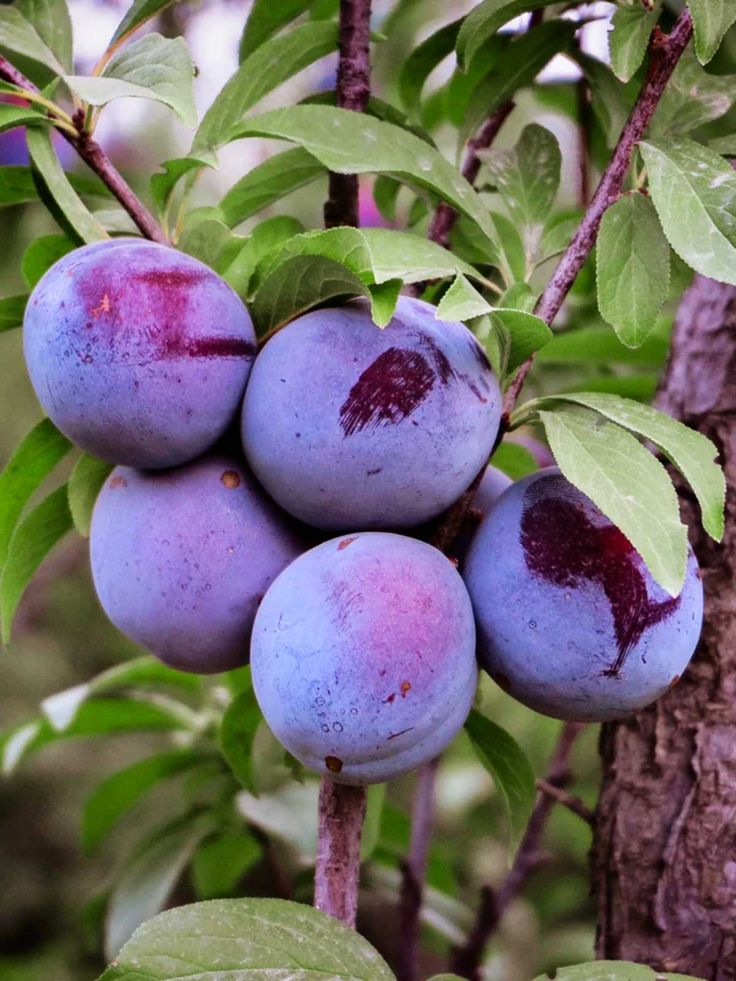
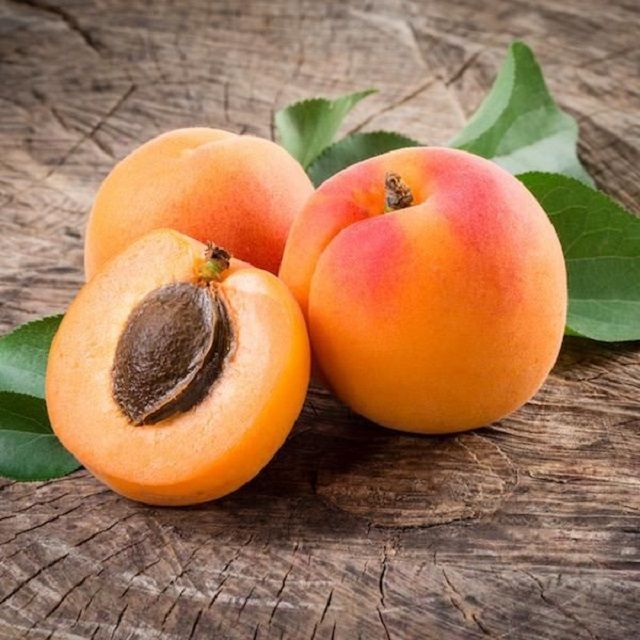
Stone fruit trees include species such as peach, apricot, plum and cherry. Prized for their tasty fruit, they are essential in many Mediterranean and temperate orchards.

Benefits
- Fruits rich in vitamins, minerals and antioxidants.
- Fast production after planting.
- Great varietal diversity adapted to several climates.
- Excellent market value in local and export markets.
Main varieties
- Fishing: Dixired, Spring Lady
- Apricot tree: Bergeron, Canino
- Plum Tree: Stanley, Reine-Claude
- Cherry: Burlat, Summit


Ideal growing conditions
Soil: light, deep, well-drained.
Exposure: full sun, sheltered from strong winds.
Irrigation: regular but without excess stagnant water.
Crop Cycle
Planting: late fall or early spring.
Flowering: spring.
Harvest: summer (from June to September depending on the species).


Maintenance techniques
Annual training and maintenance pruning.
Addition of organic compost to the plantation.
Preventive treatments against peach leaf curl and other fungal diseases.
Common issues
- Diseases: peach leaf curl, moniliosis, rust.
- Pests: codling moth, aphids, fruit flies.

Recommended Products
- Bordeaux mixture as a winter preventive treatment.
- Natural treatments based on black soap against aphids.
- Pheromone traps for codling moth.
- Super Colossi
- Soproxyde flo
Anecdote
Peach trees are among the first fruit trees domesticated by humans, more than 4000 years ago in China.

FAQ
The peach tree is pruned at the end of winter or after harvest to promote better fruiting and limit diseases.


