
Introduction
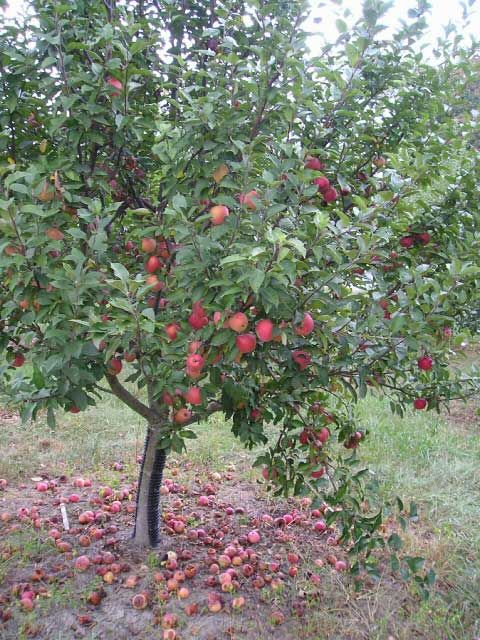
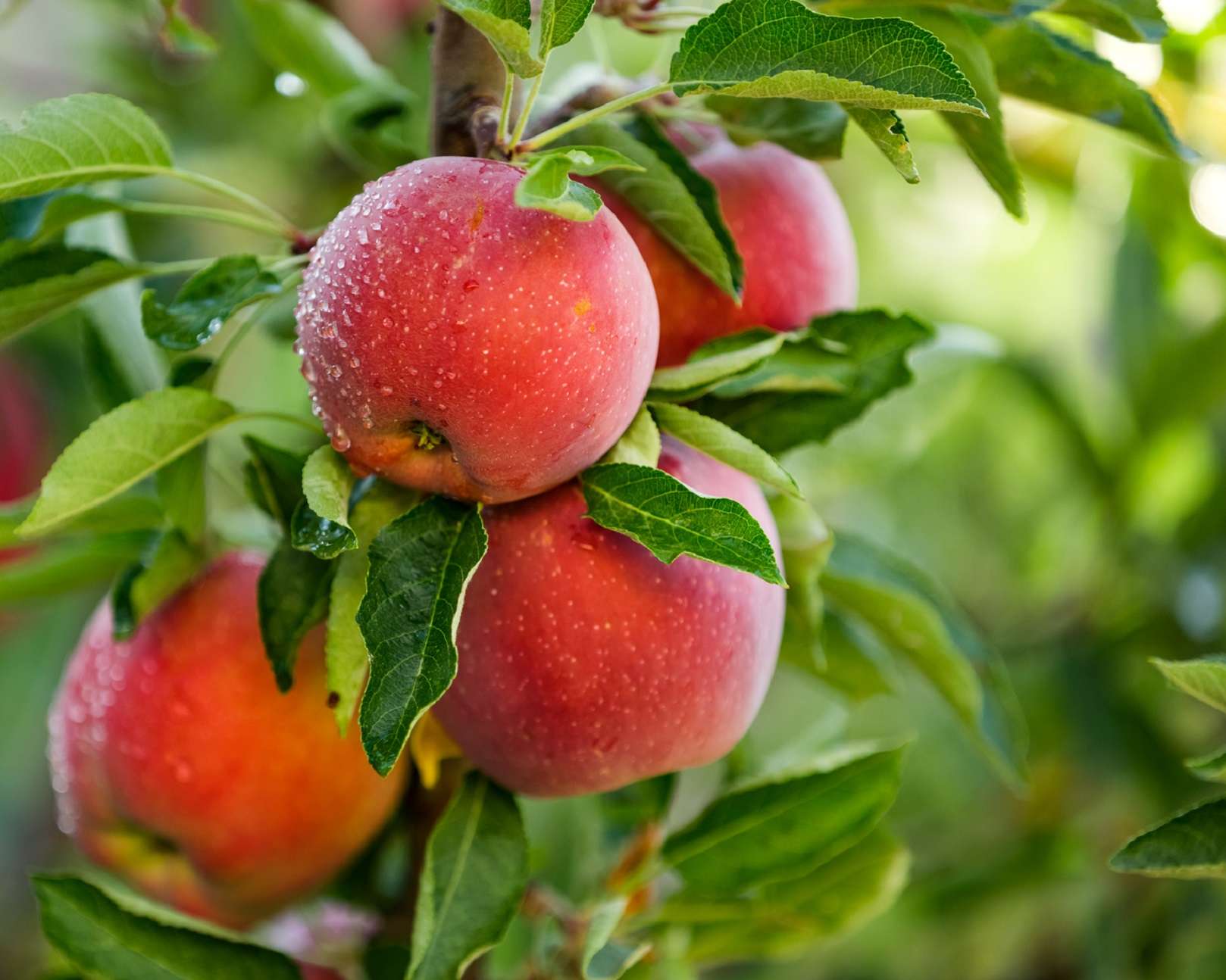
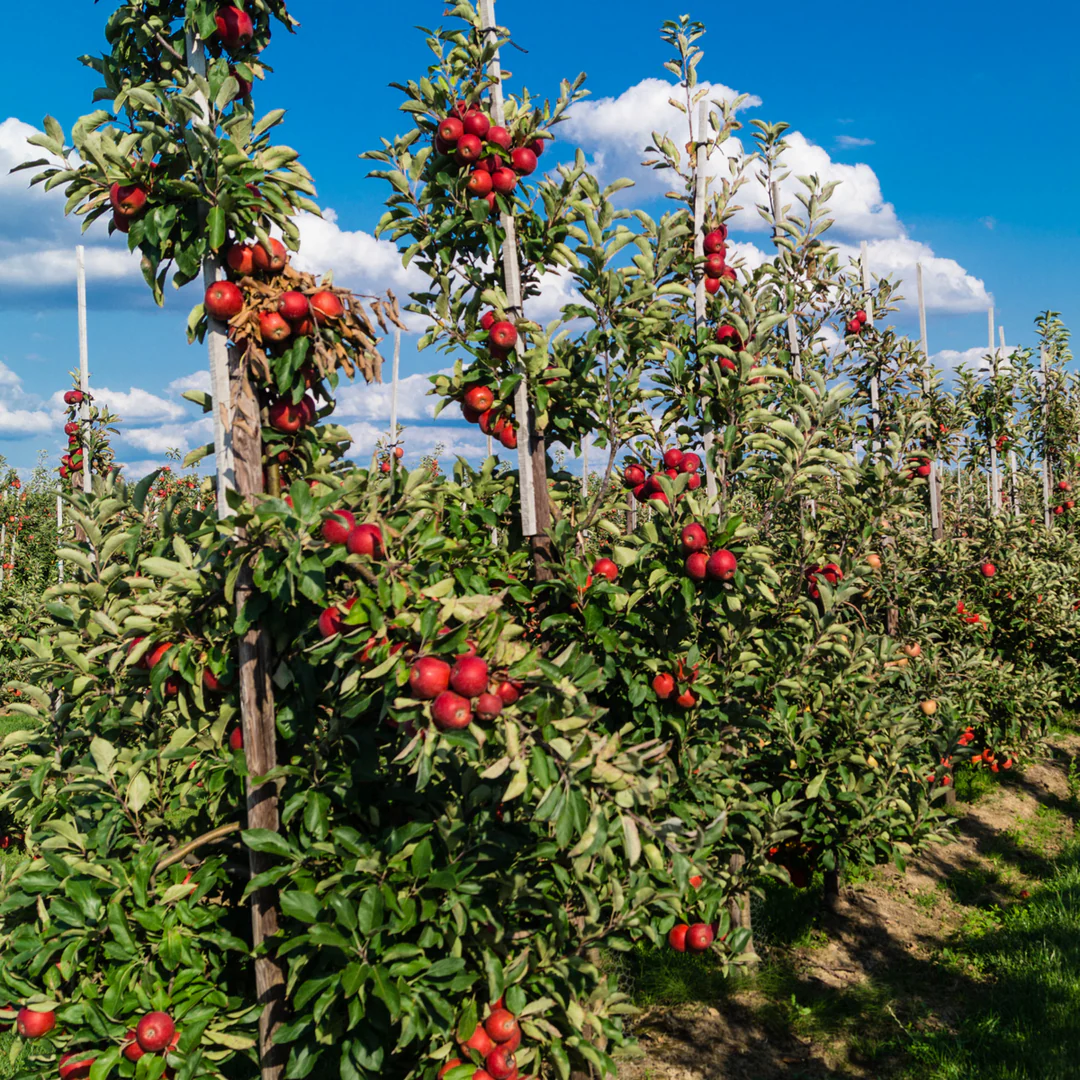
The apple tree (Malus domestica) is one of the most widely cultivated fruit trees in the world. Renowned for its tasty fruits, rich in vitamins, fiber and antioxidants, it plays an important role in both the diet and the agricultural economy. Easily adaptable to temperate climates, it is a preferred choice for many producers.
Benefits
- Great varietal diversity for different tastes and uses.
- Excellent storage capacity for some varieties.
- Attractive bloom favorable to pollinators.
- High profitability due to high demand.
Main varieties
- Golden Delicious: sweet, crunchy.
- Gala: sweet and fragrant.
- Fuji: very sweet and juicy.
- Granny Smith: tangy, perfect for baking.
Ideal growing conditions
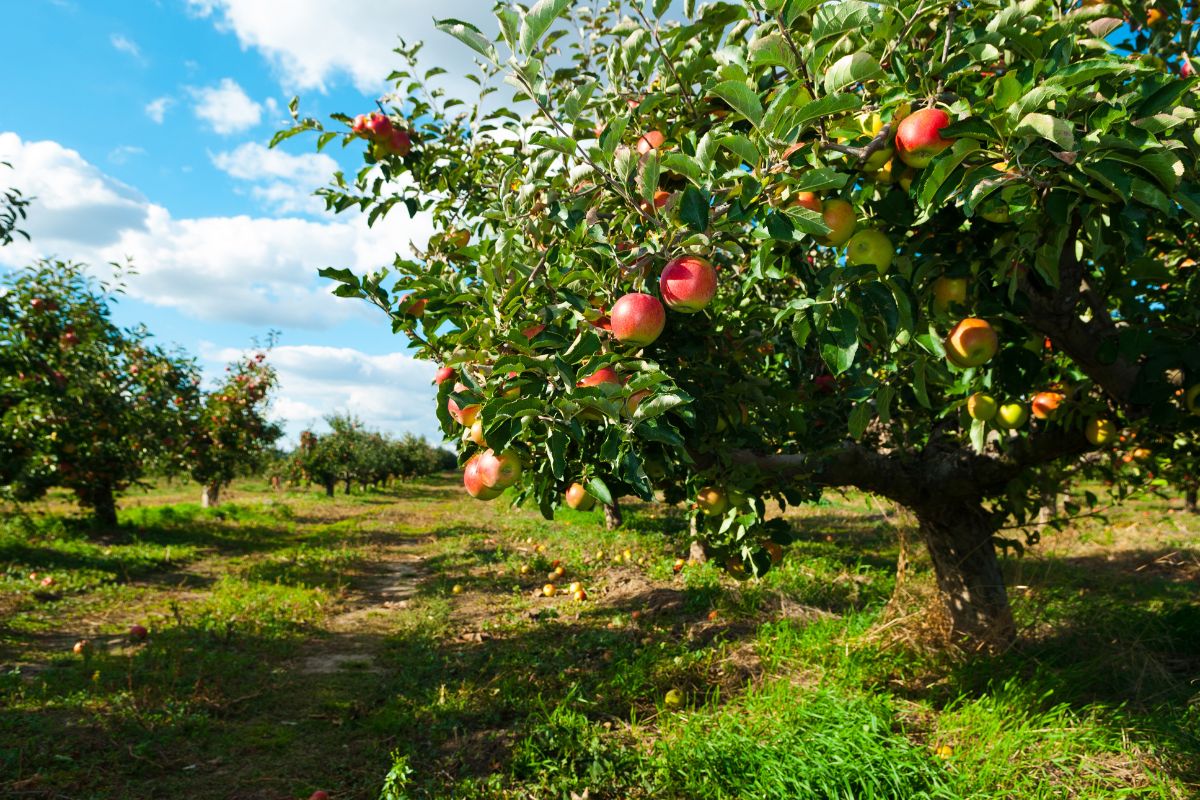
Soil: deep, fertile and well-drained, slightly acidic (pH 6 to 6.5).
Exposure: full sun.
Irrigation: regular, especially in dry periods.
Crop Cycle
Planting: Fall or early spring.
Flowering: April to May.
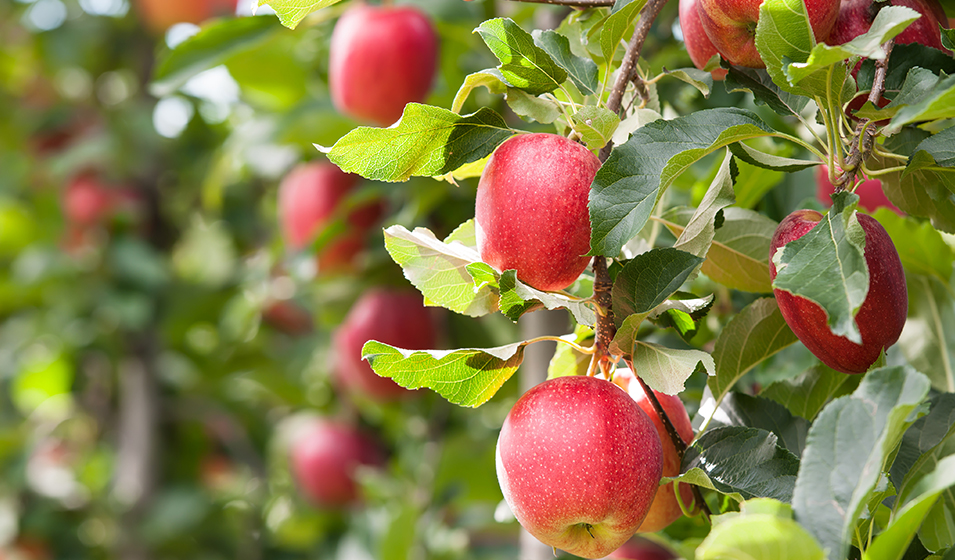
Harvest: end of August to October depending on the variety.
Productive life: 20 to 30 years.
Maintenance techniques
Annual formation and fruiting pruning.
Fertilization with organic compost.
Monitoring and preventive treatments against scab.
Thinning of young fruits to improve the quality of the harvest.
Common issues
- Diseases: apple scab, powdery mildew, fire blight.
- Pests: codling moth, aphids, red mites.
Recommended Products
- Natural fungicides (sulphur, copper) against scab.
- Pheromone traps against codling moth.
- Organic black soap treatments for aphids.
- Organic mulch for moisture retention.
- Supertan
- Hexy star
- Flarmoni 480 SC
- Globarryll 100
- Pomax
Anecdote
The apple is a universal fruit, a symbol of health and knowledge. Native to Kazakhstan, it has been cultivated for more than 4000 years. Its history is intimately linked to the great human civilizations.
FAQ
Carrying out fruiting pruning, promoting cross-pollination, and enriching the soil with organic compost are essential to boost production.
Start as soon as the first leaves appear (bud break), and repeat the preventive treatments until the fruit set.
Usually between 2 and 5 years after planting, depending on the variety and growing conditions.


