
Introduction
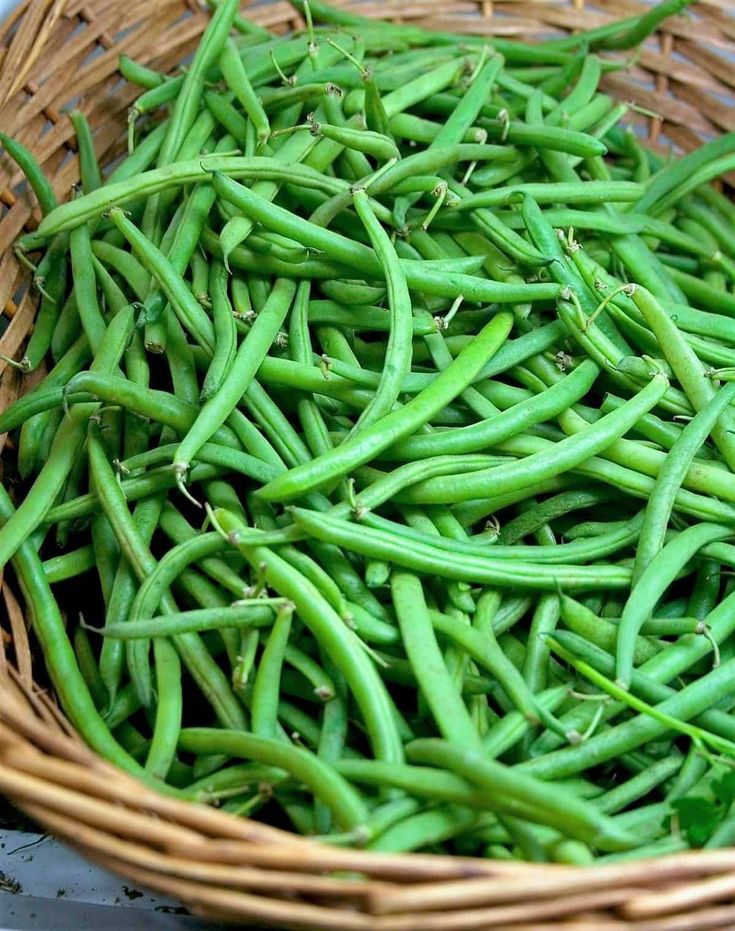
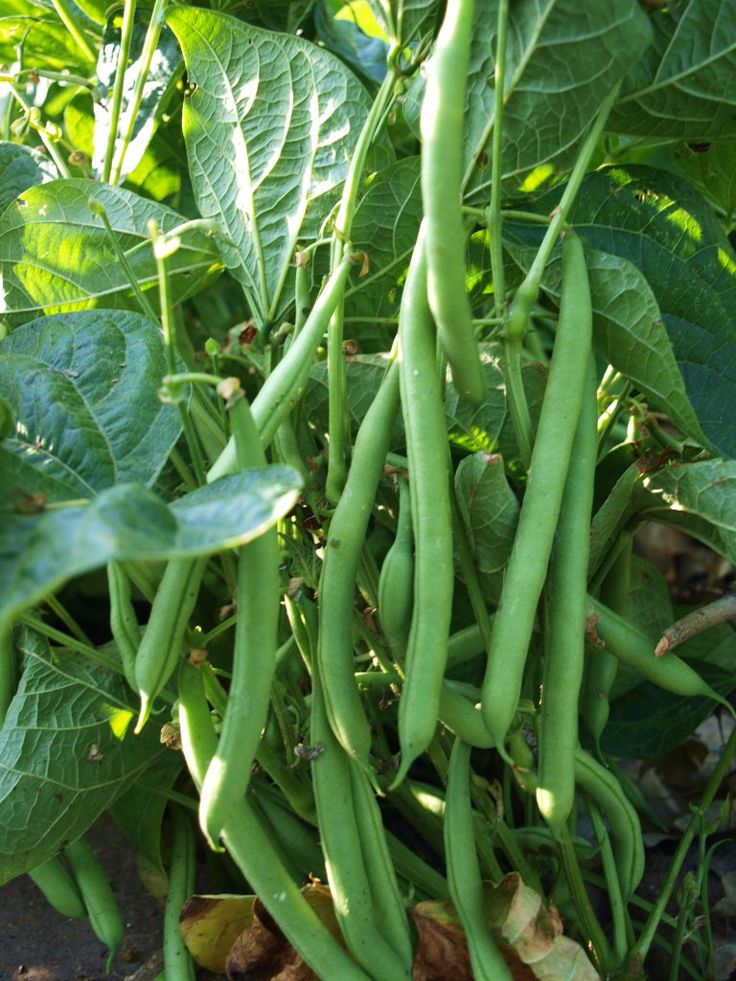
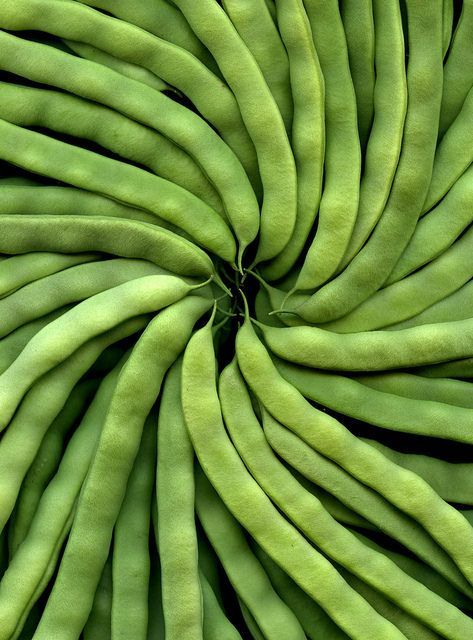
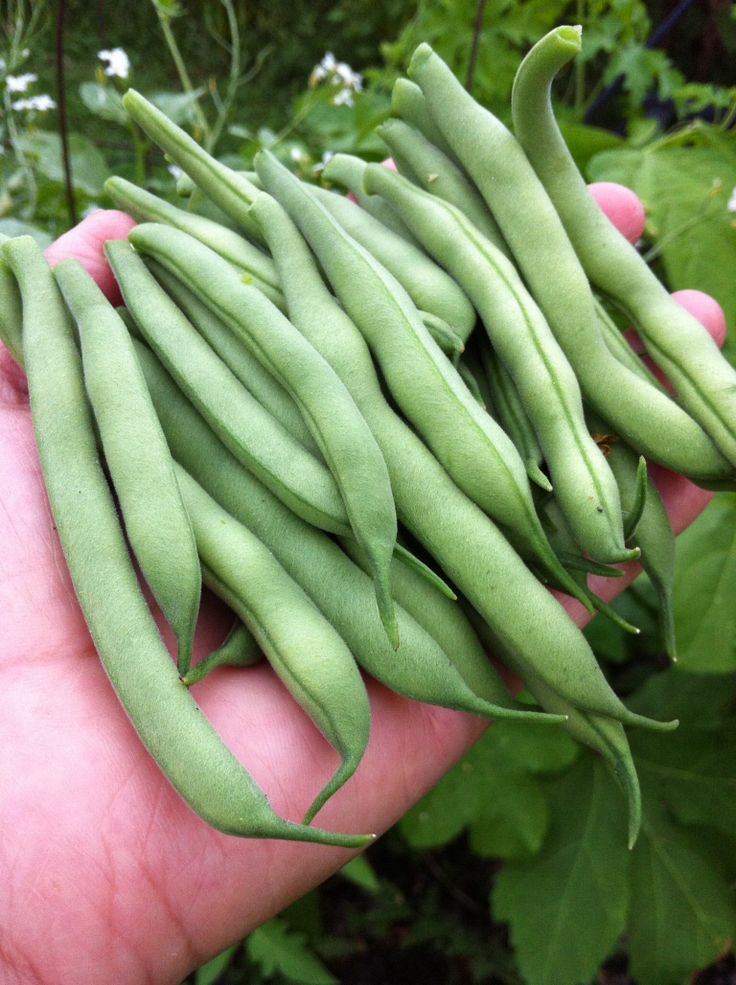
Green beans are a legume widely grown for their tender and flavorful pods, eaten fresh, canned, or frozen. It is a profitable crop with a short cycle, ideal for market gardeners.
Benefits
- Fast grow cycle (45 to 60 days).
- Strong demand on local and export markets.
- Good valuation in fresh or industrial terms.
- Reduced nitrogen fertilization due to nitrogen fixation.
Main varieties
- Talisman : very productive, hardy.
- Contender : early, disease-resistant.
- Cupid: extra-fine fillet, much appreciated taste.
- Rocquencourt : variety with a yellow pod (butter bean).
Ideal growing conditions
Soil: light, well-drained, rich in organic matter.
pH: between 6 and 7.
Climate: warm and sunny, without excess humidity.
Ideal temperature: between 20 and 25°C.
Crop Cycle
Sowing: March to August depending on the region.
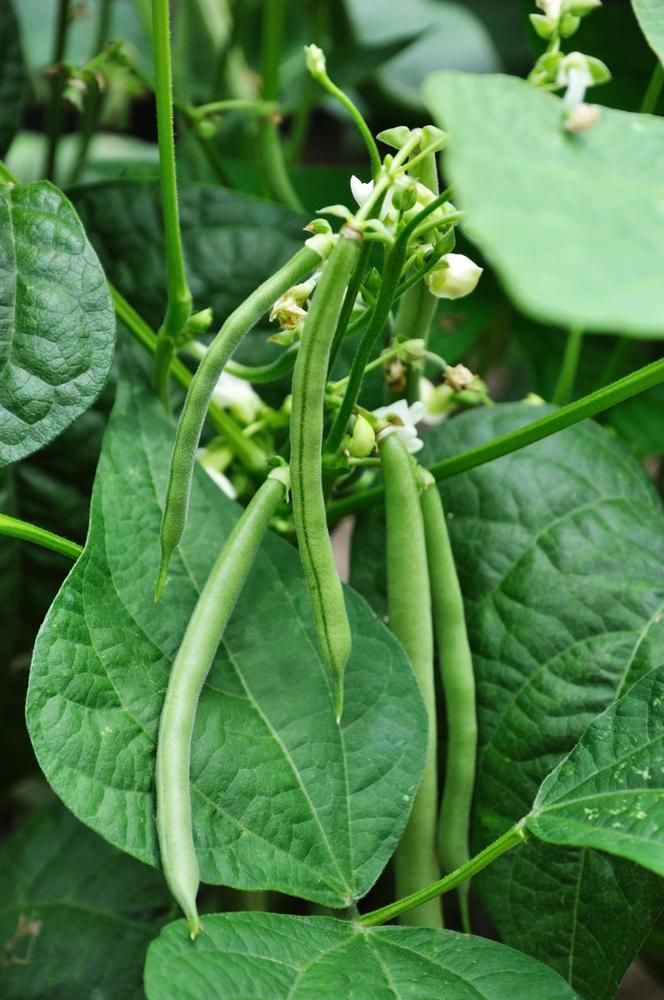
Flowering: about 30 days after sowing.
Harvest: 45 to 60 days after sowing, in several passes.
Maintenance techniques
Regular hoeing to aerate the soil.
Regular watering without wetting the foliage.
Frequent harvesting to stimulate production.
Crop rotation recommended to avoid soil diseases.
Common issues
- Diseases: anthracnose, rust, bacteriosis.
- Pests: aphids, thrips, seedling flies.
Recommended Products
Anecdote
The green bean is native to Central America. Introduced to Europe in the sixteenth century, it is now one of the most consumed vegetables in the world, especially in summer.
FAQ
Yes, as soon as the soil temperature exceeds 15°C and without risk of frost.
Harvest young and regularly, and water constantly.
Not for dwarf varieties. Yes for rowing (climbing) varieties.


